logo
Uterine Fibroid Embolization

Varicose Vein Ablation

What are
Varicose Veins ?

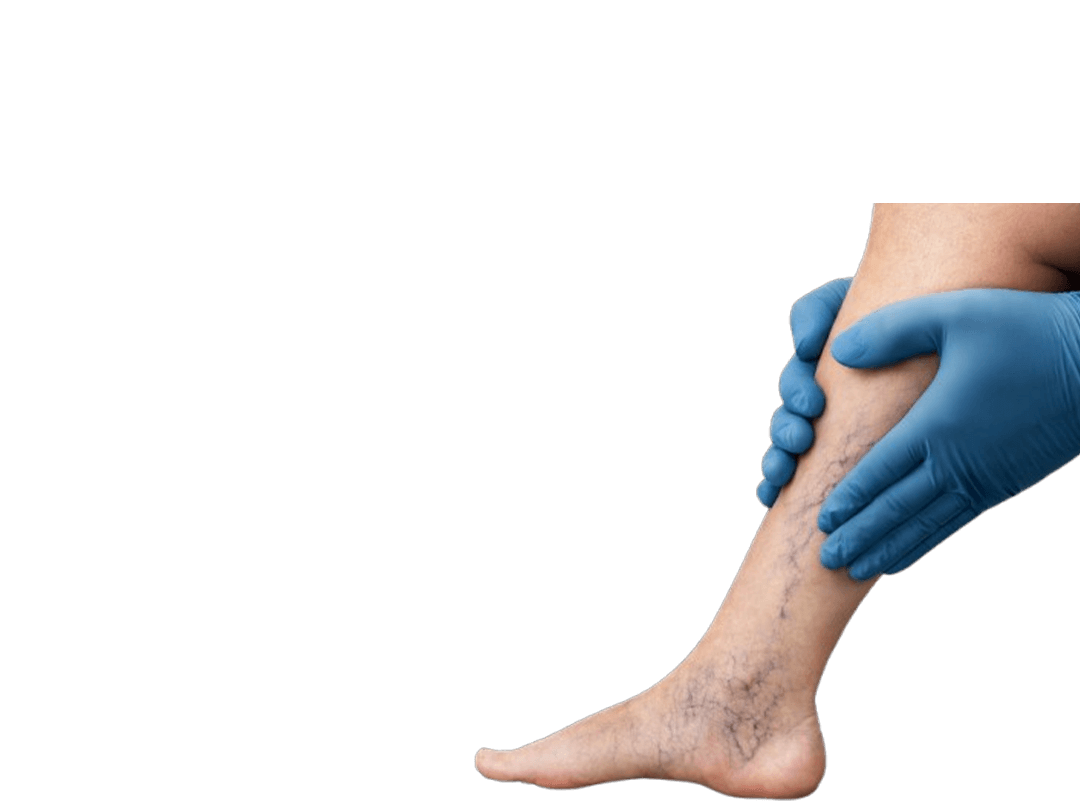
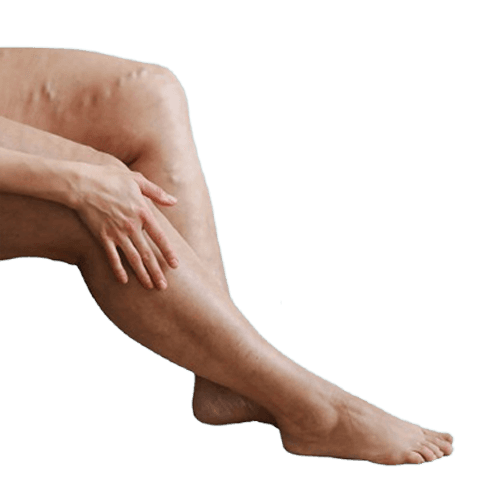
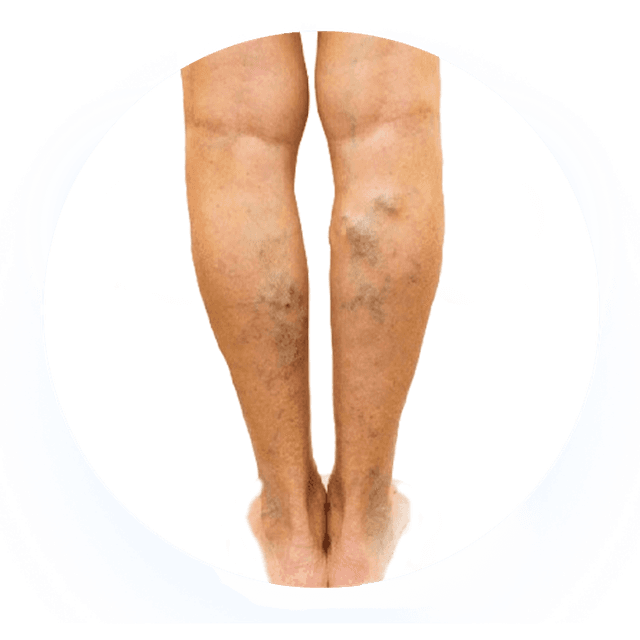
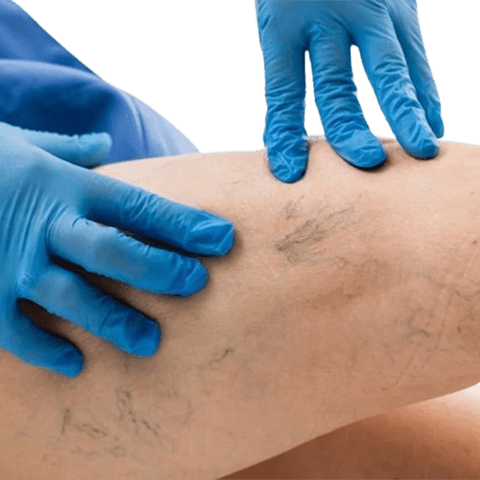
Varicose veins are swollen, twisted, abnormal veins primarily found in the legs.

Doctor
Uterine Fibroid Embolization Patient

What Causes Varicose Veins?

Varicose veins are caused by unhealthy or weakened valves inside the veins. Vein valves can become damaged from natural stretching or weakening from the pressure of blood flowing through the veins. If the valves become weak, blood can collect in your legs and pressure builds up, causing the veins to become large, twisted and weak. Varicose veins often appear through the skin on a person’s legs as blue, bulging and twisted veins, in some cases the veins may be raised or stand out on the surface of the skin.

+

Symptoms
Varicose Vein Risk Factors

Varicose veins don’t discriminate nearly anyone at any age can develop them. There are certain factors that increase your chances of developing varicose veins. These risk factors include:

Family history

Standing or sitting too long

Being overweight

Pregnancy

Aging

Gender

Previous leg injury

+

Benefits
Signs of Varicose Veins

Swollen, twisted veins aren’t the only indication that you have varicose veins. Other signs and symptoms of varicose veins include:

Large, bluish or purple-appearing bulging veins that you can see under the surface of your skin

Swelling in your ankles and feet

Painful or achy legs that feel “heavy”

Muscle cramping in your legs—particularly at night

Itchy legs, especially on your lower leg and ankles

Burning or throbbing sensations in your legs

Discolored patches of skin around the area where you have varicose veins

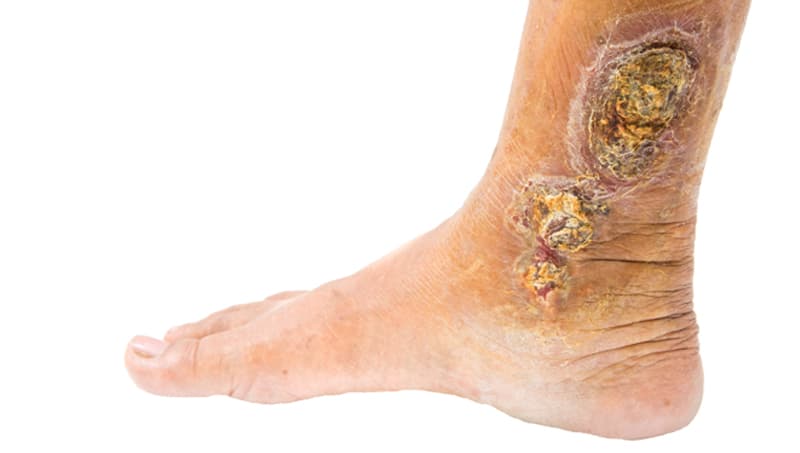
Stasis dermatitis (rash & itchy skin around your varicose veins). If left untreated, varicose veins rash could develop into venous leg ulcers.

+

Symptoms
Varicose Veins Treatment that We Provide

Varicose Veins can be treated to prevent them from getting worse. Trusting your varicose veins treatment to be board certified, interventional radiologist makes all the difference.

Our Vascular interventional radiologists have a deep understanding of vein problems and are specially trained in treating venous insufficiency leading to complicated varicose veins. The vein specialists at IRCC Pakistan have treated hundreds of patients nationwide who are suffering from painful varicose veins.

If your condition is severe, rest assured, physicians at IRCC Pakistan are leaders in the diagnosis and treatment of vein and offer the following minimally invasive varicose vein treatments in a safe, comfortable outpatient setting.

Endovenous Ablation

Sclerotherapy for reticular and spider veins

Microphlebectomy
Endovenous Ablation

Radiofrequency Ablation (RFA), Endovenous Laser Therapy (EVLT) and non-thermal non-tumescent ablation are safe, effective, minimally invasive procedures for the treatment of varicose veins. With both types of ablation, thermal energy is used to close off a blood vessel in the form of either laser or radiofrequency energy. The failing vein closes and is no longer functional. The closed vein is eventually absorbed by the body.

The ablation procedures are performed in an outpatient setting, do not involve any incisions, and recovery time is minimal. Blood flow is diverted to healthy veins, with no negative effects on blood flow or circulation.

Endovenous Laser Therapy (EVLT)

Endovenous Laser Therapy (EVLT) is a minimally invasive procedure performed under local anesthesia in larger varicose veins in the legs. During the procedure, a laser probe is inserted into the vein using ultrasound as guidance. Laser light pulses are emitted causing the vein to shrink and close off, eliminating blood flow. The entire procedure is typically completed in an hour.

Uterus Illustration

Non-thermal Non-tumescent Ablation

Novel non-thermal techniques, such as mechanochemical ablation (MOCA) clarivein and cyanoacrylate adhesive glue (CAE) venaseal and foam therapy varithena have been developed to overcome these unwelcome effects of thermal ablation. So far, the novel techniques have been found to have similar efficacy to thermal methods.

Radiofrequency Ablation (RFA)

Radiofrequency Ablation (RFA) is an image guided procedure using radiofrequency energy to close varicose veins in the leg. Radiofrequency energy is delivered in small bursts through a tiny catheter causing the vein to shrink around the catheter as the vein is being treated. After radiofrequency ablation, the vein is smaller and thicker, and there is no blood flowing through it. Over time, the vein is absorbed by the surrounding tissues and permanently disappears. The entire procedure is typically completed in an hour.

Benefits of Endovenous Ablation Procedures

Radiofrequency Ablation (RFA), Endovenous Laser Therapy (EVLT) and non thermal non tumescent (NTNT) have many benefits over traditional venous surgical stripping techniques

Outpatient procedure

No surgical incisions

No general anesthesia required

1-hour procedure time (typically)

Minimal recovery time

No scarring

Immediate relief

Sclerotherapy

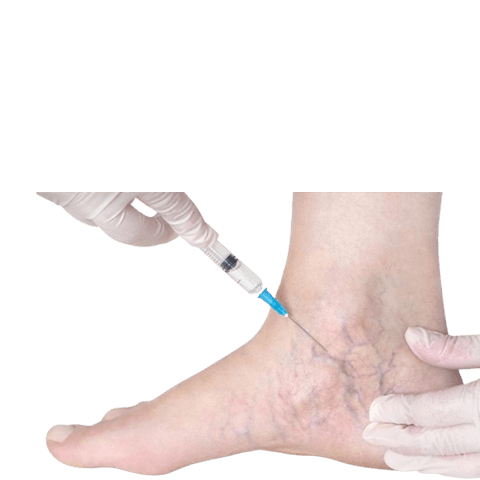
Sclerotherapy is a minimally invasive procedure used for the treatment of spider and reticular veins, which are smaller, dilated and similar to varicose veins. Spider and reticular veins may persist after the endovenous ablation and require additional treatment of sclerotherapy

Who is a Candidate for Sclerotherapy?

Sclerotherapy can be a highly effective treatment for treating small varicose veins or spider/reticular veins.If you are suffering from smaller varicose veins that are unsightly or causing you to experience uncomfortable symptoms then you may be a candidate for sclerotherapy. Ongoing treatments can be recommended for maintenance. Treatment for varicose veins varies based on the individual, speak with one of our vein specialists about your condition to determine if sclerotherapy is a treatment option for you.

Uterine Fibroid Embolization Patient

Benefits of Sclerotherapy

There are many benefits of sclerotherapy. The procedure is minimally invasive, so no general anesthesia is required and the procedure typically takes less than an hour to complete. After the procedure you are able to go home and resume your daily activities. The varicose veins gradually fade away, typically between a few weeks to a few months after the procedure.

+

Get In Touch

If you’re facing Varicose Veins, contact us now for online consultation

+What People Says

Patient Testimonials

Ayesha Malik

I was facing severe fibroid symptoms that were affecting my daily life. After undergoing Uterine Fibroid Embolization, my condition improved remarkably without surgery. The procedure was comfortable, and recovery was very quick. I truly appreciate the care and professionalism of the medical team.

Ayesha Malik
Peshawar
Ahmed Raza

I had been dealing with discomfort due to varicocele for a long time. The embolization procedure was simple and minimally invasive, and I experienced relief within a short period. The doctors explained everything clearly and made the entire process stress-free. Highly satisfied with the results.

Ahmed Raza
Islamabad
Sana Khan

I was worried about thyroid treatment options until I learned about Radiofrequency Ablation. The procedure was safe, painless, and required no surgery. My symptoms improved significantly, and recovery was smooth. I highly recommend this treatment and the medical team.

Sana Khan
Islamabad
Muhammad Usman

My leg pain and visible veins were getting worse, but Varicose Vein Ablation completely changed my condition. The treatment was quick, and I was able to walk normally the same day. Excellent experience and very professional medical care.

Muhammad Usman
Islamabad

From the Blogs

Apr 26, 2025
Pakistani women largely unaware of uterine fibroid!

Pakistani women largely unaware of uterine fibroid!

For decades, women with uterine fibroids, or benign growths inside the uterus, commonly have been offered two options to manage the symptoms—get a hysterectomy, or just deal with the pain.

Mar 15, 2025
Varicocele and Male Infertility- is there any link?

Varicocele and Male Infertility- is there any link?

Male infertility often involves low sperm count. Varicocele, swollen veins within the testicles, is a common contributor and can impact sperm health.

Feb 12, 2025
Am I in Danger if I don’t Treat My Varicose Veins?

Am I in Danger if I don’t Treat My Varicose Veins?

Varicose veins are bulging, twisted veins that can be seen and felt right under the skin. They commonly occur on the legs, and are present in up to 30% of people.