


logo
Uterine Fibroid Embolization

Uterine Fibroid
Embolization

Uterine fibroid embolization (UFE) is a minimally invasive treatment for uterine fibroids that safely and effectively shrinks fibroids by blocking the blood flow to the fibroids. For women with mild to severe symptoms, UFE is a possible option in place of surgery for the treatment of fibroids.

Doctor
Uterine Fibroid Embolization Patient

What is Uterine Fibroid Embolization?

Uterine fibroid embolization (UFE) is a minimally invasive treatment for uterine fibroids that safely and effectively shrinks fibroids by blocking the blood flow to the fibroids. For women with mild to severe symptoms, UFE is a possible option in place of surgery for the treatment of fibroids.

UFE does not require general anesthesia. The procedure is performed under local anesthesia with the patient conscious, but sedated, and feeling no pain. The interventional radiologist makes a tiny nick in the skin in the groin (femoral artery) or the wrist (radial artery) and using real-time imaging, the physician guides the catheter through the artery to the site of the fibroid and then releases tiny spheres/particles into the uterine arteries that supply blood to the fibroid tumor. This blocks the blood flow to the fibroid tumor causing it to shrink and die.

What Are Uterine Fibroids?

Uterine fibroids are common, non-cancerous tumors of the uterus.

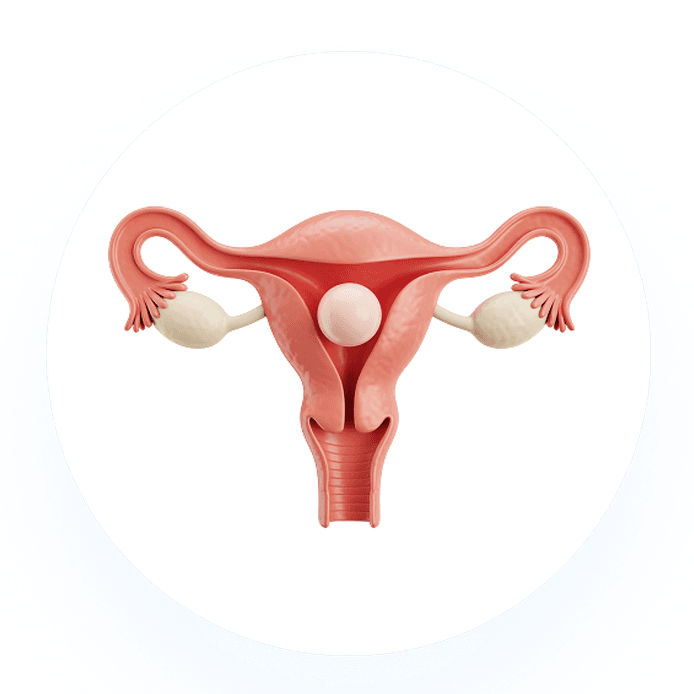
Uterine fibroids are classified according to their location in the uterus

Subserosal Fibroids:

These develop in the outer portion of the uterus and continue to grow outward.

Intramural Fibroids:

These are the most common type and develop in the uterine muscle wall.

Uterus Illustration

Submucosal Fibroids:

These are the least common and develop within the uterine cavity, causing excessive and prolonged menstrual bleeding.

Pedunculated fibroids:

Grow on stalks or stems. These stems are attached to the uterine wall and can grow either outside the uterus or inside the uterine cavity.

+

Symptoms
What are Symptoms of Uterine Fibroids?

In some women, fibroids can produce mild or no symptoms at all. For others, symptoms of uterine fibroids include considerable pain and heavy bleeding. For these reasons alone, treating uterine fibroids is a priority for most women seeking symptomatic relief.

+

Other symptoms

Other symptoms include:

Painful menstrual periods

Pain during or after sexual intercourse

Frequent urination due to bladder pressure.

Abnormal menstrual cycle 

Acute or severe pelvic pain

Bloating

+

Symptoms
Who is a Candidate for Uterine Fibroid Embolization?

You are a good candidate for UFE if you:

Have been diagnosed with uterine fibroids

Are not currently pregnant

Experiencing heavy bleeding, cramping, pelvic pain, bloating, or frequent urination.

You are also a candidate if you prefer a non-surgical uterine fibroid treatment option that will preserve your uterus. Make sure to discuss all options with our IRCC team before making a decision

+

Benefits
Benefits of UFE

Uterine fibroid embolization is a minimally invasive, incision-free outpatient procedure.

Requires only local (rather than general) anesthesia

Does not cause scarring like surgical techniques do

While there will be some moderate pain after a UFE procedure, it is typically less intensive than post-surgical pain

A good option if you would like to preserve your uterus vs a hysterectomy

85-90% of women experience significant relief of their symptoms

Faster recovery time compared to surgery

Reduced risk of infection as compared to surgery

Pakistan’s First AI-Powered
Interventional Radiology Assistant

Experience the future of minimally invasive care — where artificial intelligence meets medical precision.
Get instant access to Smarter diagnosis, personalised treatment guidance, and real-time procedure insights.

(e.g., "Varicocele", "Uterine Fibroid", "Prostate Artery Embolisation")

+

Get In Touch

If you’re facing Uterine Fibroids, contact us now for online consultation

+What People Says

Patient Testimonials

Ayesha Malik

I was facing severe fibroid symptoms that were affecting my daily life. After undergoing Uterine Fibroid Embolization, my condition improved remarkably without surgery. The procedure was comfortable, and recovery was very quick. I truly appreciate the care and professionalism of the medical team.

Ayesha Malik
Peshawar
Ahmed Raza

I had been dealing with discomfort due to varicocele for a long time. The embolization procedure was simple and minimally invasive, and I experienced relief within a short period. The doctors explained everything clearly and made the entire process stress-free. Highly satisfied with the results.

Ahmed Raza
Islamabad
Sana Khan

I was worried about thyroid treatment options until I learned about Radiofrequency Ablation. The procedure was safe, painless, and required no surgery. My symptoms improved significantly, and recovery was smooth. I highly recommend this treatment and the medical team.

Sana Khan
Islamabad
Muhammad Usman

My leg pain and visible veins were getting worse, but Varicose Vein Ablation completely changed my condition. The treatment was quick, and I was able to walk normally the same day. Excellent experience and very professional medical care.

Muhammad Usman
Islamabad

From the Blogs

Apr 26, 2025
Pakistani women largely unaware of uterine fibroid!

Pakistani women largely unaware of uterine fibroid!

For decades, women with uterine fibroids, or benign growths inside the uterus, commonly have been offered two options to manage the symptoms—get a hysterectomy, or just deal with the pain.

Mar 15, 2025
Varicocele and Male Infertility- is there any link?

Varicocele and Male Infertility- is there any link?

Male infertility often involves low sperm count. Varicocele, swollen veins within the testicles, is a common contributor and can impact sperm health.

Feb 12, 2025
Am I in Danger if I don’t Treat My Varicose Veins?

Am I in Danger if I don’t Treat My Varicose Veins?

Varicose veins are bulging, twisted veins that can be seen and felt right under the skin. They commonly occur on the legs, and are present in up to 30% of people.