

logo
Uterine Fibroid Embolization

Radiofrequency Ablation
of Osteoid Osteoma (TIPS)

What is an osteoid osteoma?

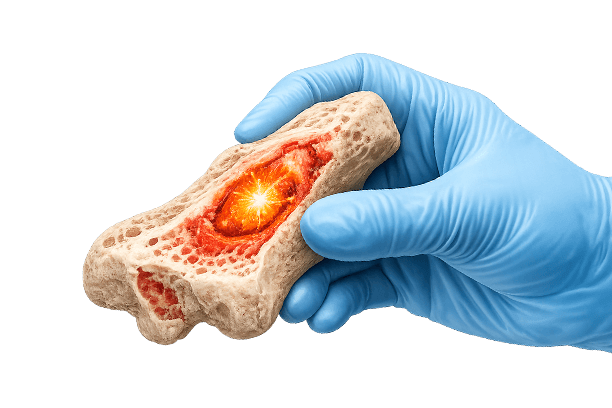
Osteoid osteoma is a benign tumor of the bone. This tumor is most frequently found in the legs but may occur also at other bones in nearly any part of the body.

Doctor

Usually, osteoid osteomas are small tumors that measure less than an inch across. They typically form in the long bones, especially the thigh (femur) and shin (tibia) bones. They may also develop in the bones of the spine, arms, hands, fingers, ankles, or feet. They can occur in other bones. But that is much less common.
Osteoid osteomas tend to be painful. They cause a dull, achy pain that can be moderate to severe. The pain is often worse at night. Osteoid osteomas occur more often in men than in women. They typically occur in children and young adults up to about age 24. But they can occur at any age.

+Symptoms
What are the symptoms of an osteoid osteoma?

The most common symptom of an osteoid osteoma is pain not caused by an injury. The pain is often achy and dull. The pain can be intense. It often tends to get worse at night. It may even wake you from sleep. Over-the-counter pain medicines, such as aspirin or ibuprofen, may help ease your pain. Depending on the location, other signs and symptoms can include:

Curvature of the spine (scoliosis)

Enlargement or deformity of a finger

Joint pain and stiffness

Limping

+

Symptoms
How is an osteoid osteoma diagnosed?

Many people with osteoid osteomas have pain for months or even years before seeing their healthcare provider. In children, people may assume the pain is from growing pains. Unlike growing pains, physical activity has no effect on the pain of osteoid osteomas.

X-rays can help your healthcare provider diagnose the osteoid osteoma. On an X-ray, the bony shell appears white and the nidus will appear dark.

At times, other imaging studies can help make sure the diagnosis such as:

CT scans

MRI scans

Bone scans

+

Symptoms
How is an osteoid osteoma treated?

Osteoid osteomas may shrink on their own. But that usually takes years. Some people get pain relief from nonsteroidal anti-inflammatory drugs (NSAIDs).

Because osteoid osteomas can be quite painful and take a long time to go away, interventional radiologist often treat them more aggressively.

Interventional radiology treatment options include:

Uterine Fibroid Embolization Patient

Radiofrequency ablation

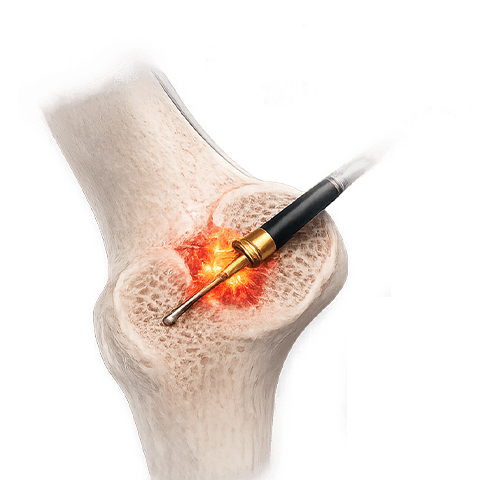
CT-guided drill resections and radiofrequency ablations are less invasive options. An interventional radiologist can do these procedures. IR physicians will use a CT scan to precisely locate the osteoid osteoma. The interventional radiologist will then use a special drill or heated probe to remove or destroy it. The procedure can take place under general or regional anesthesia. Patients may be able to go home within a couple of hours afterward and be able to return to school or work within a few days.

+

Get In Touch

If you’re facing Osteoma Diagnosed, contact us now for online consultation

+What People Says

Patient Testimonials

Ayesha Malik

I was facing severe fibroid symptoms that were affecting my daily life. After undergoing Uterine Fibroid Embolization, my condition improved remarkably without surgery. The procedure was comfortable, and recovery was very quick. I truly appreciate the care and professionalism of the medical team.

Ayesha Malik
Peshawar
Ahmed Raza

I had been dealing with discomfort due to varicocele for a long time. The embolization procedure was simple and minimally invasive, and I experienced relief within a short period. The doctors explained everything clearly and made the entire process stress-free. Highly satisfied with the results.

Ahmed Raza
Islamabad
Sana Khan

I was worried about thyroid treatment options until I learned about Radiofrequency Ablation. The procedure was safe, painless, and required no surgery. My symptoms improved significantly, and recovery was smooth. I highly recommend this treatment and the medical team.

Sana Khan
Islamabad
Muhammad Usman

My leg pain and visible veins were getting worse, but Varicose Vein Ablation completely changed my condition. The treatment was quick, and I was able to walk normally the same day. Excellent experience and very professional medical care.

Muhammad Usman
Islamabad

From the Blogs

Apr 26, 2025
Pakistani women largely unaware of uterine fibroid!

Pakistani women largely unaware of uterine fibroid!

For decades, women with uterine fibroids, or benign growths inside the uterus, commonly have been offered two options to manage the symptoms—get a hysterectomy, or just deal with the pain.

Mar 15, 2025
Varicocele and Male Infertility- is there any link?

Varicocele and Male Infertility- is there any link?

Male infertility often involves low sperm count. Varicocele, swollen veins within the testicles, is a common contributor and can impact sperm health.

Feb 12, 2025
Am I in Danger if I don’t Treat My Varicose Veins?

Am I in Danger if I don’t Treat My Varicose Veins?

Varicose veins are bulging, twisted veins that can be seen and felt right under the skin. They commonly occur on the legs, and are present in up to 30% of people.