

logo
Uterine Fibroid Embolization

Peripheral
Vascular Disease

What is Peripheral Artery Disease (PAD)?

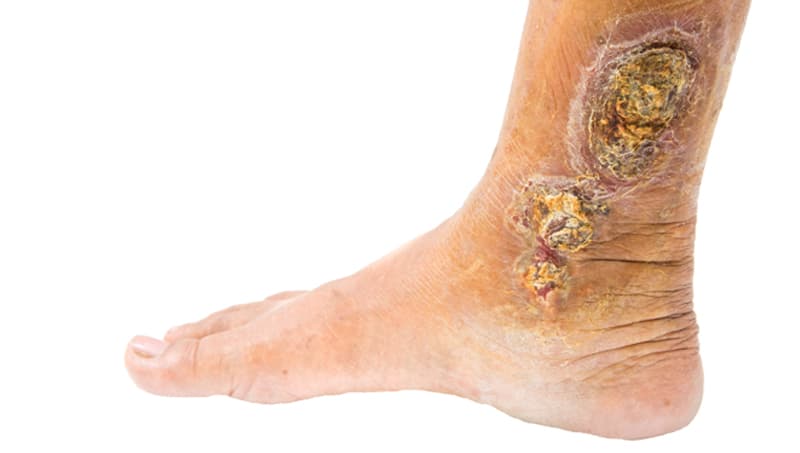
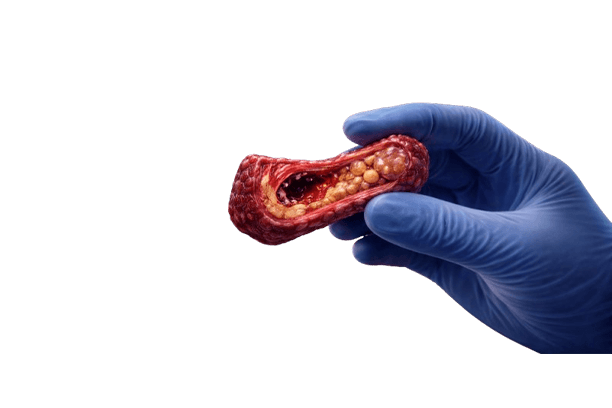
PAD is a circulatory disease in which blocked or stenotic arteries (narrowed) reduce blood flow to the extremities, most commonly, the legs and feet. Arteries that supply blood to the legs can become narrowed over time due to fatty plaque buildup that blocks or restricts blood flow, making it painful to walk. Peripheral artery disease (PAD), is a chronic, life-threatening circulatory condition.

Doctor

+

Symptoms
What causes peripheral vascular disease?

The most common cause of PVD is atherosclerosis, the buildup of plaque inside the artery wall. Plaque reduces the amount of blood flow to the limbs. It also decreases the oxygen and nutrients available to the tissue. Blood clots may form on the artery walls, further decreasing the inner size of the blood vessel and block off major arteries.

Other causes of PVD may include:

Injury to the arms or legs

Irregular anatomy of muscles or ligaments

Infection

People with coronary artery disease (CAD) often also have PVD.

+

Symptoms
Who is at risk for peripheral vascular disease?

A risk factor increases your chance of developing a disease. Some can be changed, others cannot.

Risk factors that you can’t change:

Age (especially older than age 50)

History of heart disease

Male gender

Postmenopausal women

Family history of high cholesterol, high blood pressure, or peripheral vascular disease

Risk factors that may be changed or treated include:

Coronary artery disease

Diabetes

High cholesterol

High blood pressure

Overweight

Physical inactivity

Smoking or use of tobacco products

Those who smoke or have diabetes have the highest risk of complications from PVD because these risk factors also cause impaired blood flow.

Uterine Fibroid Embolization Patient

What is the treatment for peripheral vascular disease?

The main goals for treatment of PVD are to control the symptoms and halt the progression of the disease to lower the risk for heart attack, stroke, and other complications.
Treatment may include:

  • Lifestyle changes to control risk factors, including regular exercise, proper nutrition, and quitting smoking
  • Aggressive treatment of existing conditions that may worsen PVD, such as diabetes, high blood pressure, and high cholesterol
  • Medicines to improve blood flow, such as antiplatelet agents (blood thinners) and medicines that relax the blood vessel walls

+

Angioplasty
Benefits of Angioplasty, Stent Placement and Atherectomy

Using angioplasty, stent placement, or an atherectomy to treat PAD has many benefits, but, during any procedure there are risks. However, major complications are uncommon.

BENEFITS

Performed under local anesthetic, not general anesthesia

Outpatient setting, no hospital stay

No incision needed, small skin nick doesn’t require stitches

Quick return to normal activities

+

Symptoms
Peripheral Vascular Intervention & Amputation Prevention

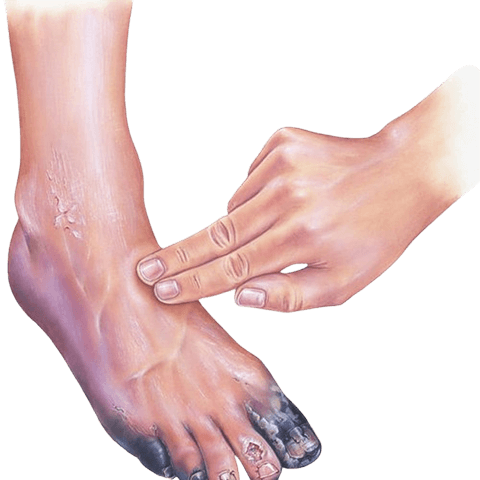
If untreated, PAD can lead to critical limb ischemia (CLI), a condition frequently associated with lower limb amputations.

Increased access to interventions – including revascularization and atherectomy – has resulted in a reduction of lower extremity amputations for people with severe lower extremity PAD.

Limb Preservation Leads To Long-Term Savings
Limb Preservation Preserves Patient Quality Of Life

+

Get In Touch

If you’re facing Peripheral Vascular Disease, contact us now for online consultation

+What People Says

Patient Testimonials

Ayesha Malik

I was facing severe fibroid symptoms that were affecting my daily life. After undergoing Uterine Fibroid Embolization, my condition improved remarkably without surgery. The procedure was comfortable, and recovery was very quick. I truly appreciate the care and professionalism of the medical team.

Ayesha Malik
Peshawar
Ahmed Raza

I had been dealing with discomfort due to varicocele for a long time. The embolization procedure was simple and minimally invasive, and I experienced relief within a short period. The doctors explained everything clearly and made the entire process stress-free. Highly satisfied with the results.

Ahmed Raza
Islamabad
Sana Khan

I was worried about thyroid treatment options until I learned about Radiofrequency Ablation. The procedure was safe, painless, and required no surgery. My symptoms improved significantly, and recovery was smooth. I highly recommend this treatment and the medical team.

Sana Khan
Islamabad
Muhammad Usman

My leg pain and visible veins were getting worse, but Varicose Vein Ablation completely changed my condition. The treatment was quick, and I was able to walk normally the same day. Excellent experience and very professional medical care.

Muhammad Usman
Islamabad

From the Blogs

Apr 26, 2025
Pakistani women largely unaware of uterine fibroid!

Pakistani women largely unaware of uterine fibroid!

For decades, women with uterine fibroids, or benign growths inside the uterus, commonly have been offered two options to manage the symptoms—get a hysterectomy, or just deal with the pain.

Mar 15, 2025
Varicocele and Male Infertility- is there any link?

Varicocele and Male Infertility- is there any link?

Male infertility often involves low sperm count. Varicocele, swollen veins within the testicles, is a common contributor and can impact sperm health.

Feb 12, 2025
Am I in Danger if I don’t Treat My Varicose Veins?

Am I in Danger if I don’t Treat My Varicose Veins?

Varicose veins are bulging, twisted veins that can be seen and felt right under the skin. They commonly occur on the legs, and are present in up to 30% of people.