

logo
Uterine Fibroid Embolization

Fallopian Tube
Recanalization

What is fallopian tube recanalization?

Fallopian tube recanalization (FTR) is a nonsurgical procedure to clear blockages in the fallopian tubes, part of a woman’s reproductive system.

Doctor
Uterine Fibroid Embolization Patient

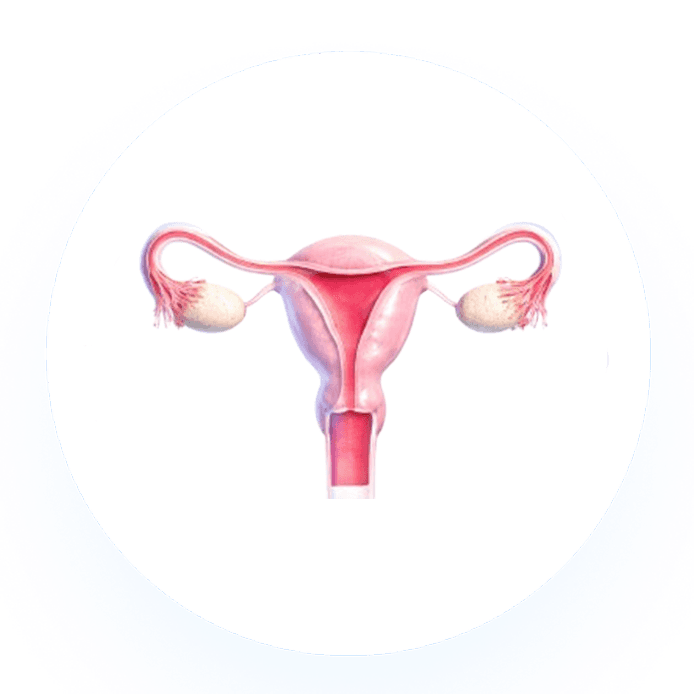
What are fallopian tubes?

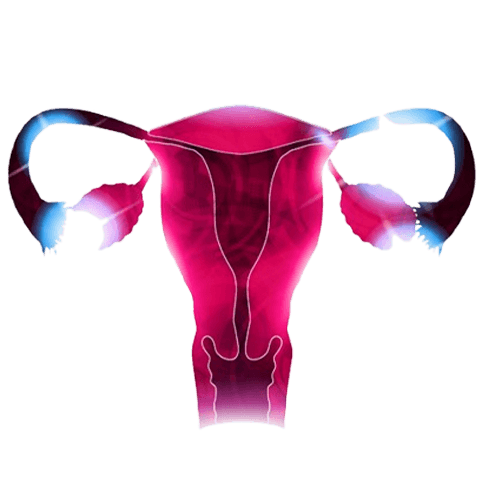
The fallopian tubes are important for female fertility. They are the passageways for the eggs to travel from the ovaries to the uterus. During conception:

  • The ovary releases an egg, which travels into the fallopian tube.
  • Sperm travels into the fallopian tubes to fertilize the egg.
  • The resulting embryo is nourished and transported to the uterus where the pregnancy continues.

A common cause of female infertility is a blockage of the fallopian tubes, usually as the result of debris that has built up. Occasionally, scarring from surgery or serious infection can lead to a blockage as well.

What happens during a fallopian tube recanalization?

Fallopian tube recanalization (FTR) is a nonsurgical procedure our interventional radiologists use to treat these blockages. Recanalization is the medical term for “reopening.”

During the procedure, which does not require any needles or incisions, we will:

Place a speculum into the vagina and pass a small plastic tube (catheter) through the cervix into the uterus.

Examine the uterine cavity using an X-ray fluoroscopy.

Determine if there is a blockage and if it is located on one or both fallopian tubes.

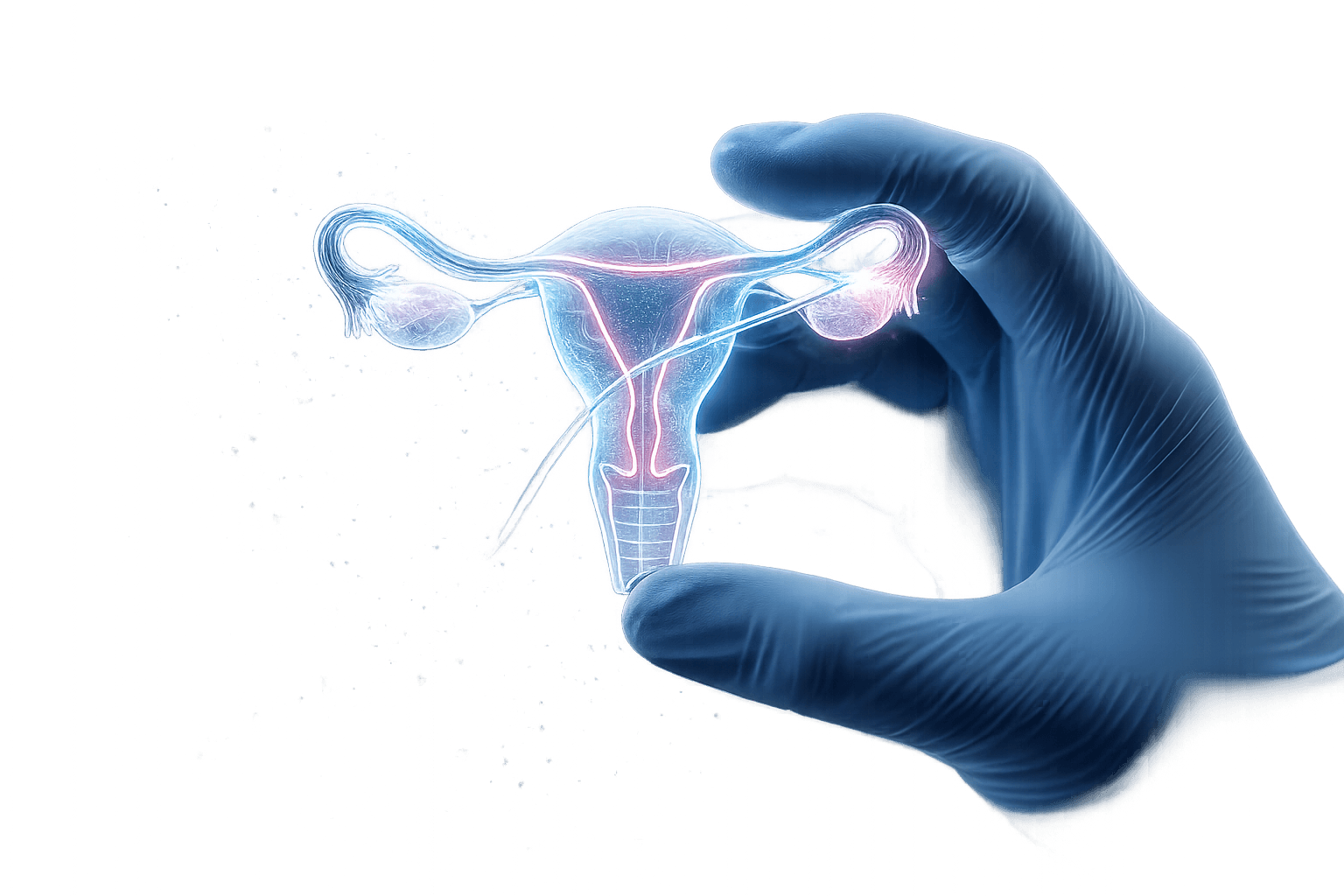
Uterus Illustration

Inject a liquid contrast agent (dye) through the catheter.

Obtain a hystero-salpingogram or HSG. Literally, that means a fallopian tube to clear the blockage.

Passes a smaller catheter and microwire through the first catheter and then into the fallopian tube to clear the blockage.

More than 90 percent of the time, interventional radiologists can reopen blocked fallopian tubes and restore normal function.

+

Benefits
Benefits of Fallopian Tube Recanalization
Fallopian tube recanalization is a minimally invasive outpatient procedure with no incision needed

Fallopian tube recanalization is a minimally invasive outpatient procedure with no incision needed

Requires only local (rather than general) anesthesia

Requires only local (rather than general) anesthesia

An increased chance of pregnancy if this is the sole cause of infertility

An increased chance of pregnancy if this is the sole cause of infertility

Does not cause scarring or pain, as some surgical techniques can

Does not cause scarring or pain, as some surgical techniques can

Reduced risk of infection as compared to surgery

Reduced risk of infection as compared to surgery

Same day procedure, recover at home

Same day procedure, recover at home

+

Symptoms
Are you a Candidate for Fallopian Tube Recanalization?

If you have been diagnosed with blockages in your fallopian tube and/or have a history of infertility, endometriosis, or are suffering from painful intercourse then you may be a candidate for fallopian tube recanalization. Before you decide on your treatment speak to your IRCC team about all of the treatment options as well as all of your symptoms, including a history of pelvic inflammatory disease, uterine fibroids, tubal or ovarian abscesses, and other pelvic conditions to determine if you are a candidate for fallopian tube recanalization.

+

Get In Touch

If you’re facing Uterine Fibroids, contact us now for free online consultation

+What People Says

Patient Testimonials

Lubna Abbasi

It was a painful journey but thanks to IRCC Pakistan I got better. At 25 , I was diagnosed with fibroids after experiencing massive pain. I felt alone. No doctors wanted to do anything with a girl like me. The only procedure they knew of was a hysterectomy and at 25 that is definitely not happening; not even if i wanted to just end the pain, I was going through everyday. But by the Grace of God now I am healthy and perfectly normal after fibroid embolization.

Lubna Abbasi
TeacherPeshawar
Jamal Khan

It was a transformative experience, and I am grateful to IRCC Pakistan. At 30, I was struggling with severe varicoceles, causing constant discomfort. I felt hopeless, but Dr. Qazi offered a minimally invasive solution that changed everything. Now, I'm pain-free and back to my active life, thanks to varicocele embolization.

Jamal Khan
AthleteIslamabad
Aisha Khan

My journey was tough, but thanks to the support from the healthcare team in Pakistan, I found relief. At 25, I was diagnosed with fibroids after enduring severe pain. I felt isolated, as many doctors were hesitant to help someone like me. The only option they suggested was a hysterectomy, which was not an option for me at that age, even though I was desperate to escape the daily agony. Thankfully, after undergoing fibroid embolization, I am now healthy and living life to the fullest.

Aisha Khan
CoupleIslamabad
Aisha Khan

It was a painful journey but thanks to IRCC Pakistan I got better. At 25 , I was diagnosed with fibroids after experiencing massive pain. I felt alone. No doctors wanted to do anything with a girl like me. The only procedure they knew of was a hysterectomy and at 25 that is definitely not happening; not even if i wanted to just end the pain, I was going through everyday. But by the Grace of God now I am healthy and perfectly normal after fibroid embolization.

Aisha Khan
CoupleIslamabad

From the Blogs

Apr 26, 2025
Pakistani women largely unaware of uterine fibroid!

Pakistani women largely unaware of uterine fibroid!

Varicose veins are bulging, twisted veins visible under the skin. While often considered cosmetic, they can signal circulation problems.

Mar 15, 2025
Varicocele and Male Infertility- is there any link?

Varicocele and Male Infertility- is there any link?

Male infertility often involves low sperm count. Varicocele, swollen veins within the testicles, is a common contributor and can impact sperm health.

Feb 12, 2025
Am I in Danger if I don’t Treat My Varicose Veins?

Am I in Danger if I don’t Treat My Varicose Veins?

Varicose veins are bulging, twisted veins that can be seen and felt right under the skin. They commonly occur on the legs, and are present in up to 30% of people.