logo
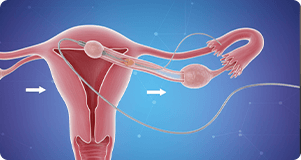
Uterine Fibroid Embolization

Dialysis Access
Care and Management

What is Dialysis?

Dialysis allows people with kidney failure (renal failure) a chance to live productive lives. When kidney function decreases to a critical level or complications arise, a person may need to start dialysis. There are two main types of dialysis, hemodialysis and peritoneal dialysis.

Doctor

+

Symptoms
IRCC Pakistan Dialysis Access Care Management

We offer the following ways to establish and maintain your dialysis access

Uterine Fibroid Embolization Patient

Permacath

What is permacath?

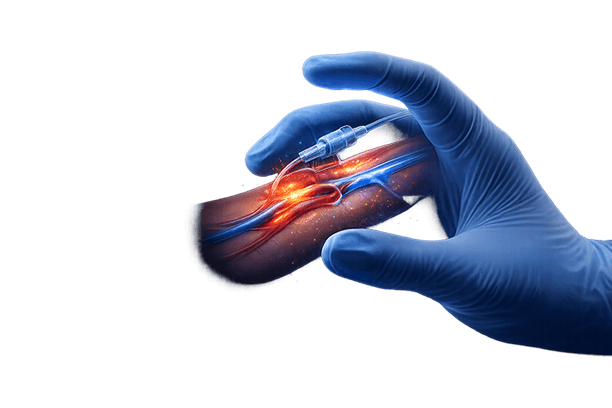
A permacath is a piece of plastic tubing that is similar to a jugular catheter. It is used for hemodialysis in the exact same way that a jugular catheter is used. The advantage of the permacath is that it can provide access to the vascular system for up to one year. This is important for dialysis patients because they will avoid multiple catheter insertions, which could eventually lead to vein damage.

How does the procedure work?

Using a fluoroscopy machine and small tools, the interventional radiologist places the permacath in the jugular vein. The permacath is moved under the skin throughout the upper chest, under the collarbone, and the end of the catheter comes out on the chest wall. The fluoroscopy is used in order for the IR to follow the path of the catheter throughout the procedure and make sure it is placed correctly.

+

Get In Touch

If you’re facing Uterine Fibroids, contact us now for free online consultation

Peritoneal Dialysis

What is peritoneal dialysis and how does it work?

Peritoneal dialysis is a treatment for kidney failure that uses the lining of your abdomen, or belly, to filter your blood inside your body. Doctors call this lining the peritoneum. An interventional radiologist will place a soft tube, called a catheter, in your belly a few weeks before you start treatment. When a dialysis technician chooses to do peritoneal dialysis at home or dialysis center, they will consult with their doctor about which type of PD they will perform: Continuous ambulatory peritoneal dialysis (CAPD), which is done manually without a machine. Automated peritoneal dialysis (APD), which is done with a machine called a cycler.

Uterine Fibroid Embolization Patient

+

Symptoms
What are Dialysis and Fistula/Graft Declotting and Interventions?

Dialysis fistula/graft declotting and interventions are minimally invasive procedures performed to improve or restore blood flow in the fistula and graft placed in the blood vessels of dialysis patients.

a fistula, which is made by joining together an artery and vein to make a bigger high-flow blood vessel.

a fistula, which is made by joining together an artery and vein to make a bigger high-flow blood vessel.

a graft, in which a soft plastic tube is placed between an artery and a vein, creating an artificial high-flow blood vessel.

a graft, in which a soft plastic tube is placed between an artery and a vein, creating an artificial high-flow blood vessel.

What are some common uses of the procedure?

These procedures are used to treat:

Dilating the narrowed vessels of dialysis fistula and grafts.

Dilating the narrowed vessels of dialysis fistula and grafts.

Removing the thrombosed blood clot from fistula and graft.

Removing the thrombosed blood clot from fistula and graft.

+

benefits
Catheter-directed Thrombolysis
Catheter-directed thrombolysis can greatly improve blood flow and reduce or eliminate the related symptoms and effects without the need for more invasive surgery.

Catheter-directed thrombolysis can greatly improve blood flow and reduce or eliminate the related symptoms and effects without the need for more invasive surgery.

Thrombolysis is a safe, highly effective way of re-establishing circulation blocked by a clot.

Thrombolysis is a safe, highly effective way of re-establishing circulation blocked by a clot.

Thrombolysis is less invasive than conventional open surgery to remove clots and the hospital stay is relatively brief. Blood loss is less than with traditional surgical treatment and there is no obvious surgical incision.

Thrombolysis is less invasive than conventional open surgery to remove clots and the hospital stay is relatively brief. Blood loss is less than with traditional surgical treatment and there is no obvious surgical incision.

+

Symptoms
Recanalization of Central Venous occlusions

Central vein occlusion (CVO) is a common complication in chronic hemodialysis patients due to mechanical damage to the vessel walls from prior catheterization, as well as high flow rate of a functioning arteriovenous fistula (AVF). CVO could result in ipsilateral limb swelling and altered vascular access function, leading to suboptimal hemodialysis sometimes with superior vena caval syndrome resulting in facial swelling, puffiness, headache and tinnitus.

Central venous recanalization are practical strategies in treating long-segment CVO in hemodialysis patients crossing with standard wires, sharp needles and sometimes with central venous occlusion reentry devices in establishing and restoring flow through the central venous system resulting in clinical improvements.


+What People Says

Patient Testimonials

Lubna Abbasi

It was a painful journey but thanks to IRCC Pakistan I got better. At 25 , I was diagnosed with fibroids after experiencing massive pain. I felt alone. No doctors wanted to do anything with a girl like me. The only procedure they knew of was a hysterectomy and at 25 that is definitely not happening; not even if i wanted to just end the pain, I was going through everyday. But by the Grace of God now I am healthy and perfectly normal after fibroid embolization.

Lubna Abbasi
TeacherPeshawar
Jamal Khan

It was a transformative experience, and I am grateful to IRCC Pakistan. At 30, I was struggling with severe varicoceles, causing constant discomfort. I felt hopeless, but Dr. Qazi offered a minimally invasive solution that changed everything. Now, I'm pain-free and back to my active life, thanks to varicocele embolization.

Jamal Khan
AthleteIslamabad
Aisha Khan

My journey was tough, but thanks to the support from the healthcare team in Pakistan, I found relief. At 25, I was diagnosed with fibroids after enduring severe pain. I felt isolated, as many doctors were hesitant to help someone like me. The only option they suggested was a hysterectomy, which was not an option for me at that age, even though I was desperate to escape the daily agony. Thankfully, after undergoing fibroid embolization, I am now healthy and living life to the fullest.

Aisha Khan
CoupleIslamabad
Aisha Khan

It was a painful journey but thanks to IRCC Pakistan I got better. At 25 , I was diagnosed with fibroids after experiencing massive pain. I felt alone. No doctors wanted to do anything with a girl like me. The only procedure they knew of was a hysterectomy and at 25 that is definitely not happening; not even if i wanted to just end the pain, I was going through everyday. But by the Grace of God now I am healthy and perfectly normal after fibroid embolization.

Aisha Khan
CoupleIslamabad

From the Blogs

Apr 26, 2025
Pakistani women largely unaware of uterine fibroid!

Pakistani women largely unaware of uterine fibroid!

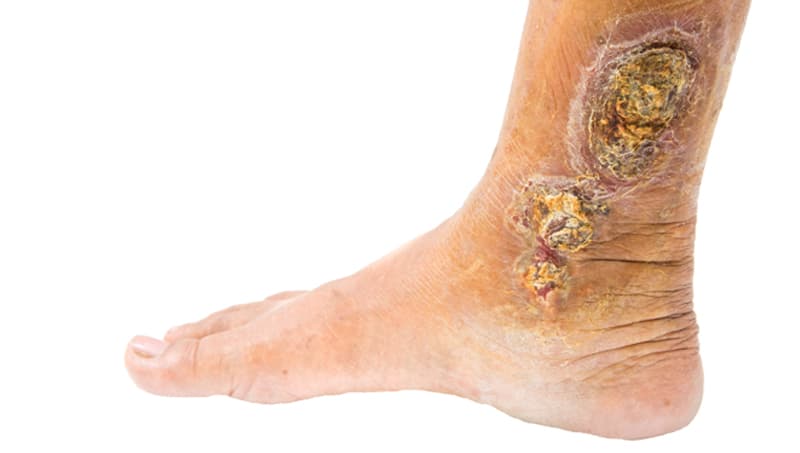
Varicose veins are bulging, twisted veins visible under the skin. While often considered cosmetic, they can signal circulation problems.

Mar 15, 2025
Varicocele and Male Infertility- is there any link?

Varicocele and Male Infertility- is there any link?

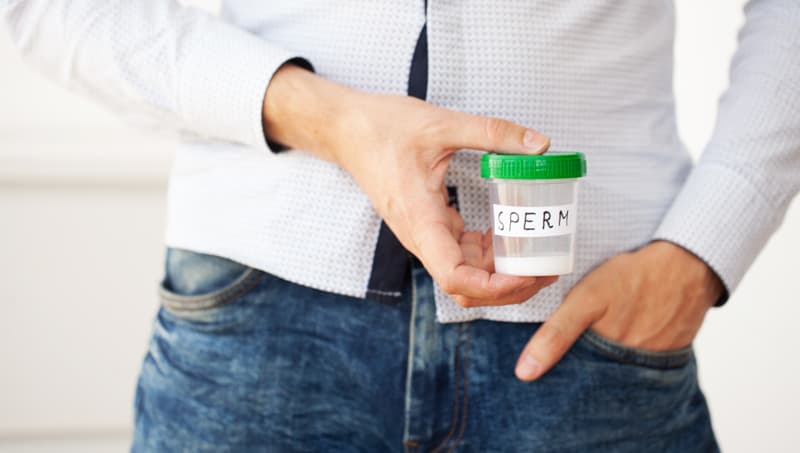
Male infertility often involves low sperm count. Varicocele, swollen veins within the testicles, is a common contributor and can impact sperm health.

Feb 12, 2025
Am I in Danger if I don’t Treat My Varicose Veins?

Am I in Danger if I don’t Treat My Varicose Veins?

Varicose veins are bulging, twisted veins that can be seen and felt right under the skin. They commonly occur on the legs, and are present in up to 30% of people.